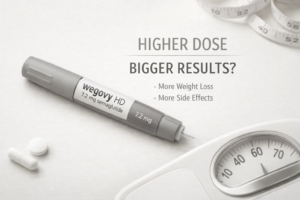

Online telehealth company Hims & Hers Health just shook things up in a big way. On Thursday, it rolled out a $49 compounded version of Novo Nordisk’s new Wegovy weight-loss pill, and that one move sent ripples across Wall Street.
Investors didn’t like what they saw. Novo Nordisk shares slid nearly 9%, while Eli Lilly wasn’t far behind, down about 6%. Novo, meanwhile, wasted no time pushing back. The company says it’s preparing a legal challenge, arguing that what Hims is doing shouldn’t be allowed.
Here’s the thing. Hims’ pricing is dramatically lower. Customers pay $49 for the first month, then $99 a month if they commit to a five-month plan. That’s about what many Americans spend on streaming services or internet bills. At that price point, weight-loss treatment suddenly feels accessible to a lot more people. And we’re talking about a huge market. Roughly 200 million Americans are overweight or obese.
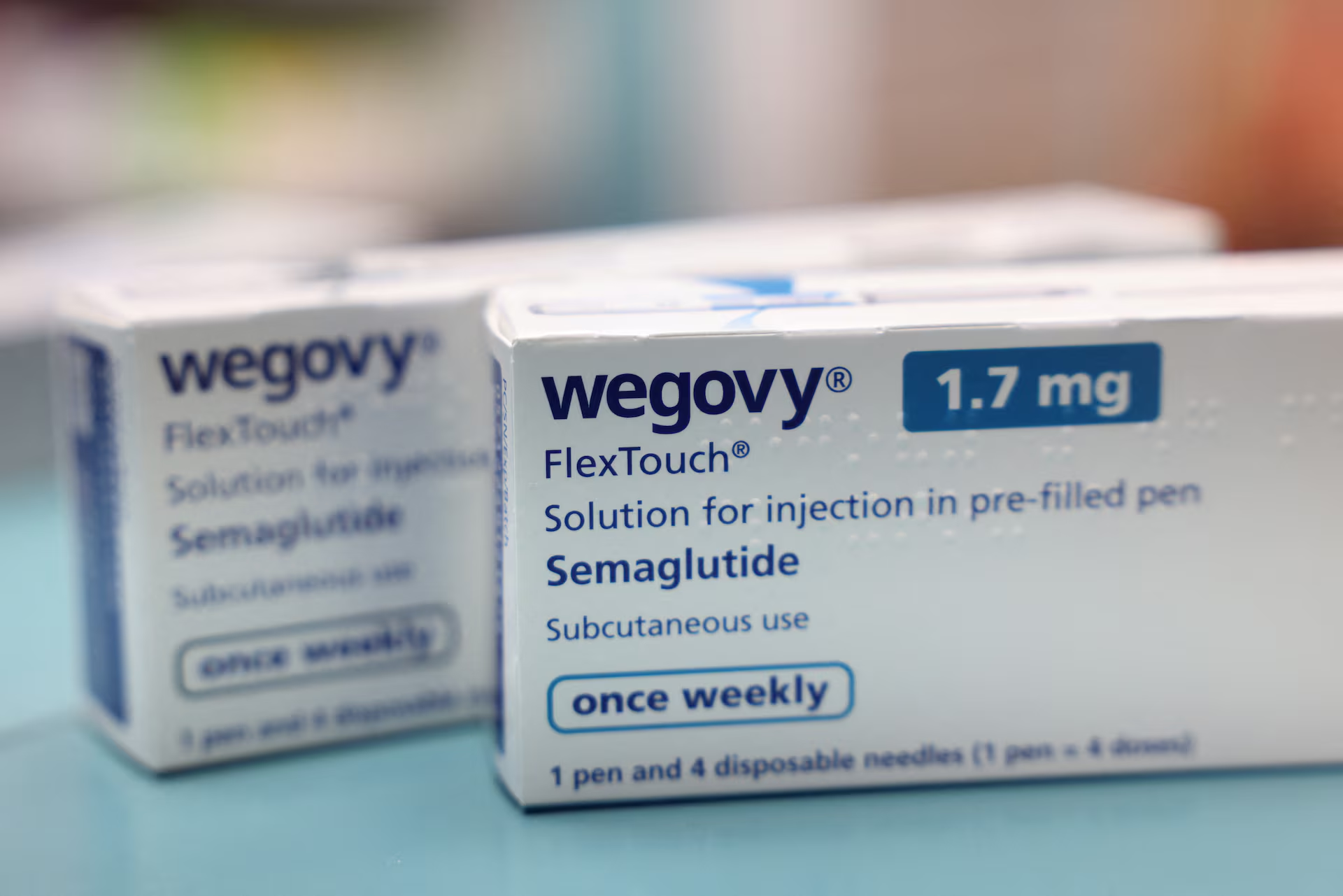
Novo’s own pill, launched in January, isn’t cheap by comparison. It starts at $149 for new users and jumps to $199 after that. Eli Lilly is expected to enter the oral weight-loss space in April and has promised more affordable pricing, including through its TrumpRx website. Still, Hims has clearly gone lower, and faster.
The timing matters too. Just a day earlier, Novo warned investors that pricing pressure in the weight-loss drug market had reached levels it hadn’t seen before. The company even cut its full-year forecast. By Thursday, its shares were at their lowest point since mid-2021.
Novo insists its pill is different. According to the company, its product uses unique technology to help the drug absorb properly. Novo’s CEO went as far as saying people spending $49 on a Hims pill would be wasting their money. Strong statement. The company also says mass compounding like this is illegal and says it will take action to protect patients, its intellectual property, and the drug approval system.
Hims sees it differently. A spokesperson said the company hasn’t cut corners on safety or effectiveness and uses a liposome-based approach to support absorption. Analysts are split. Some question whether patients will get the same results from the cheaper pill. Others say this could spark a full-blown price war if compounders can produce oral drugs at scale.
This isn’t a new fight. Hims and Novo have been at odds since 2023, when the FDA allowed compounded versions of Novo’s injectable GLP-1 drugs during supply shortages. Since then, Hims has offered personalized versions with different doses or regimens. These compounded drugs aren’t FDA-approved and don’t go through full clinical trials, which is a big part of the controversy. For context, Novo’s Wegovy pill showed more than 16% weight loss in trials.
Some analysts say the rules have left plenty of gray area. As long as compounders make small tweaks and argue they benefit specific patients, copycat versions can keep appearing. That’s the reality right now.
Hims says its approach gives patients more choice. Some people want pills instead of injections. Others want options that help reduce side effects. Semaglutide, the active ingredient, is the same one used in Wegovy and Ozempic. From Hims’ perspective, flexibility is the point.
The FDA, however, has already warned Hims about how it markets compounded semaglutide. Claims suggesting these drugs are the same as Ozempic or Wegovy can be misleading, regulators say.
And this story isn’t over. Eli Lilly is gearing up to launch its own oral weight-loss pill later this year. Some analysts think it could become the next target for compounded copies. With drug prices under pressure and demand soaring, compounding has taken off as people hunt for cheaper alternatives.
Hims recently doubled the size of its Ohio facility, a move the company says will help keep prices low. Novo and Lilly declined to comment further.
Let’s be honest. This feels like a showdown. Affordable access versus regulation. Personalization versus patents. And right now, neither side looks ready to back down.