
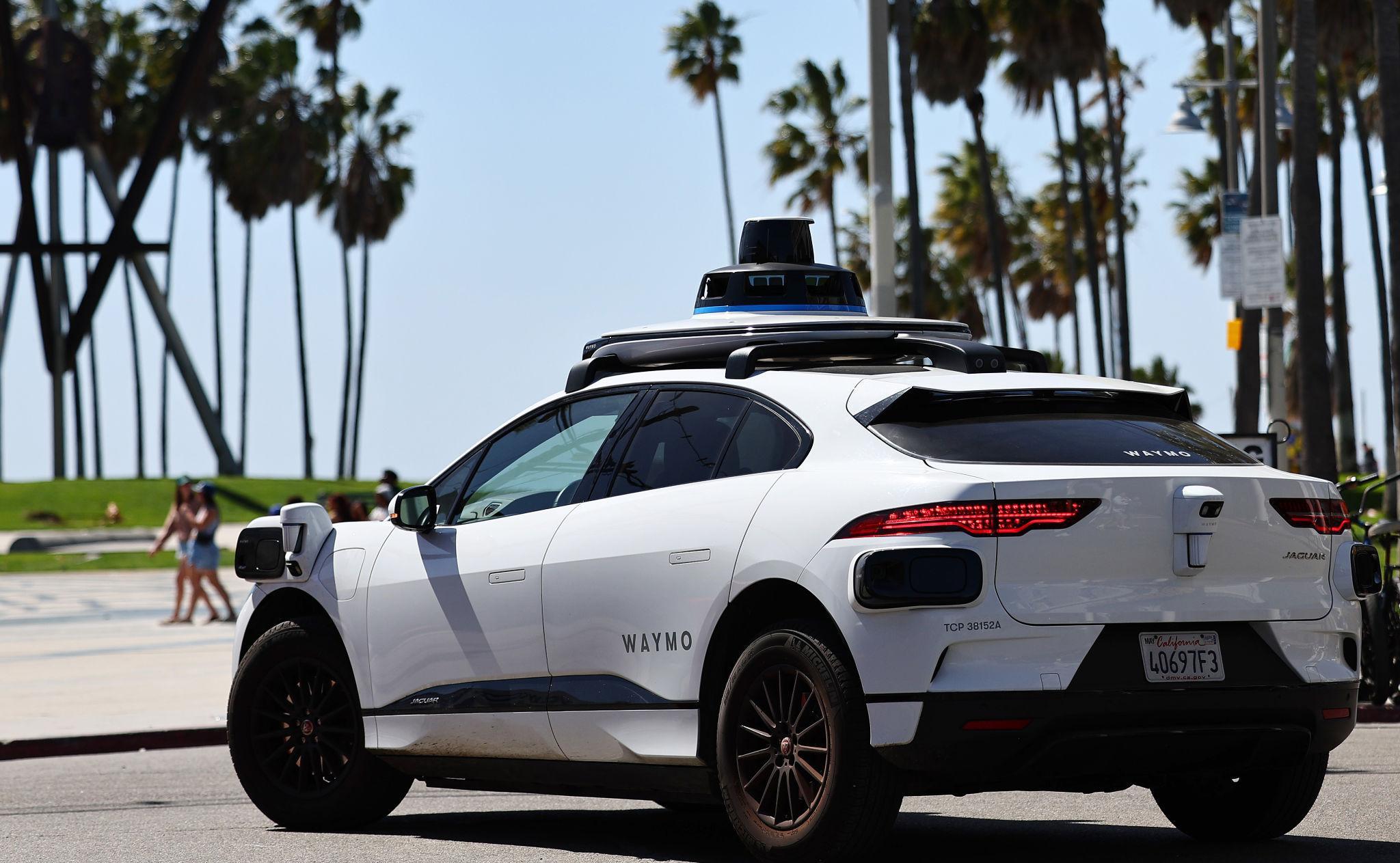
Here’s the deal. Waymo is officially running its newest, sixth-generation Driver on public roads with no safety drivers behind the wheel. None. That’s a big moment, and honestly, one the company has been inching toward for years.
The news came straight from Waymo’s VP of Engineering, Satish Jeyachandran, who confirmed that the system is now cleared for fully autonomous use across multiple cities. This version of the Driver was first shown back in August 2024, but now it’s actually out there doing the job. And not lightly tested either. We’re talking seven years of real-world service and nearly 200 million autonomous miles across more than ten major U.S. cities.
That kind of mileage adds up. Fast.
Fewer sensors, better performance (yes, really)
At first glance, the hardware story sounds counterintuitive. Waymo cut a lot of sensors. Like, a lot.
The 6th-gen setup uses 13 cameras instead of 29. Lidars drop from five to four. Radar units sit at six. All in, that’s about a 42 percent reduction compared to the previous system running on Jaguar I-PACE vehicles.
You’d expect that to mean less capability. But according to Waymo, it’s the opposite.
The camera system now centers around a 17-megapixel imager that’s sharper, better in low light, and more dynamic than most automotive cameras on the road today. On the lidar side, falling industry costs over the past five years helped a lot. Waymo designed its own chips and optical components in California, keeping things tight and efficient.
Short-range lidars play a quiet but critical role here. They deliver centimeter-level accuracy, which matters when you’re threading through pedestrians, opening car doors, and messy city streets. No room for guessing.
Weather was another pain point they tackled head-on. Hydrophobic coatings. Mechanical cleaning systems. Modular sensors that can be swapped based on climate. The new Driver has already been tested in some seriously snowy cities, places the old fleet simply wasn’t built for.
And the money part? That’s the kicker.
Waymo expects the 6th-gen Driver hardware to cost under $20,000 per vehicle, not counting the car itself. That’s more than 50 percent cheaper than the previous generation. Critics used to say Waymo couldn’t scale. This is how you shut that argument down.
One Driver, multiple vehicles
Waymo likes to say it builds a Driver, not a car. The latest system sticks to that philosophy.
Right now, the 6th-gen Driver runs on two platforms. One is the Zeekr-built “Ojai” minivan, a robotaxi designed from the ground up with a flat floor, low step-in height, and wide doors. The other is the Hyundai IONIQ 5.
And that Hyundai partnership? It’s moving fast. Reports suggest Hyundai could supply up to 50,000 IONIQ 5 units for Waymo’s robotaxi fleet. If that happens, it would be the largest single vehicle order the autonomous space has ever seen.
Add in the Zeekr vans and a separate Toyota partnership aimed at consumer vehicles, and Waymo suddenly has a diversified supply chain that no rival can really match.
Production is ramping at Waymo’s autonomous vehicle factory in the Phoenix metro area, with capacity scaling toward tens of thousands of vehicles per year. That’s not “someday” language anymore. That’s near-term.
Expansion mode: fully unlocked
All of this lands during Waymo’s most aggressive expansion phase yet.
The company already runs fully autonomous commercial service in six U.S. cities: Phoenix, San Francisco, Los Angeles, Austin, Atlanta, and Miami. Nashville just went fully driverless ahead of a Lyft partnership planned for later this year.
And 2026? It’s packed.
Waymo plans to launch in Washington, Detroit, Las Vegas, San Diego, Denver, Dallas, Houston, San Antonio, and Orlando. Internationally, London comes first, followed by Tokyo.
The ride numbers back it up. Waymo delivered 15 million rides in 2025 alone, four times more than in 2024. Lifetime rides have crossed 20 million. Right now, the company averages around 400,000 paid rides per week. Leadership says that number should pass one million by the end of the year.
The fleet sits at about 2,500 vehicles today. With Hyundai and Zeekr production ramping, plus the Arizona factory scaling up, the math finally works.
And then there’s Tesla
Let’s be honest. The comparison is unavoidable.
Tesla has launched robotaxi services in Austin and San Francisco, but most rides still involve supervision. Human monitors in the car. Safety vehicles trailing behind. It’s not the same thing as what Waymo is doing.
Tesla’s per-ride cost is lower, about $1.99 per kilometer compared to Waymo’s $5.72. But wait times are three to five times longer, and Tesla still hasn’t received SAE Level 4 certification for any vehicle.
Safety is where the gap really shows.
Waymo reports 90 percent fewer serious injury crashes and 82 percent fewer airbag deployments compared to human drivers across 127 million miles. No competitor comes close to that dataset. Tesla’s vision-only approach continues to attract attention from regulators, while Waymo’s multi-sensor redundancy has earned trust in every market it operates.
The bigger picture
Here’s something to think about. This feels like the moment Waymo stops being an experiment and starts looking like a real transportation company.
The 6th-gen Driver solves the two biggest complaints people had: cost and weather. Cutting sensors while improving performance fixes the economics. Getting hardware costs below $20,000 makes sustainable margins feel achievable, especially if weekly rides hit seven figures.
Weather validation matters just as much. The old fleet was basically stuck in warm climates. Testing in snow-heavy cities like Boston, Pittsburgh, and Denver signals serious intent. Northern markets like Detroit and New York are suddenly on the table.
The Hyundai deal might be the most overlooked part of all this. In under two years, Waymo went from relying on one vehicle platform to working with three major manufacturers. Combine that with a reported $16 billion war chest, and scaling to tens of thousands of vehicles per year doesn’t sound dreamy anymore. It sounds doable.
The remaining question is simple, and huge.
Can Waymo keep its safety record intact while scaling this fast?
As for Tesla, the main blocker right now isn’t cost. It’s safety. Scaling without supervision would bring risks Tesla likely isn’t ready to absorb, especially when the downside includes lawsuits, regulatory backlash, and reputational damage that could follow the company for years.
That’s the real fork in the road.