

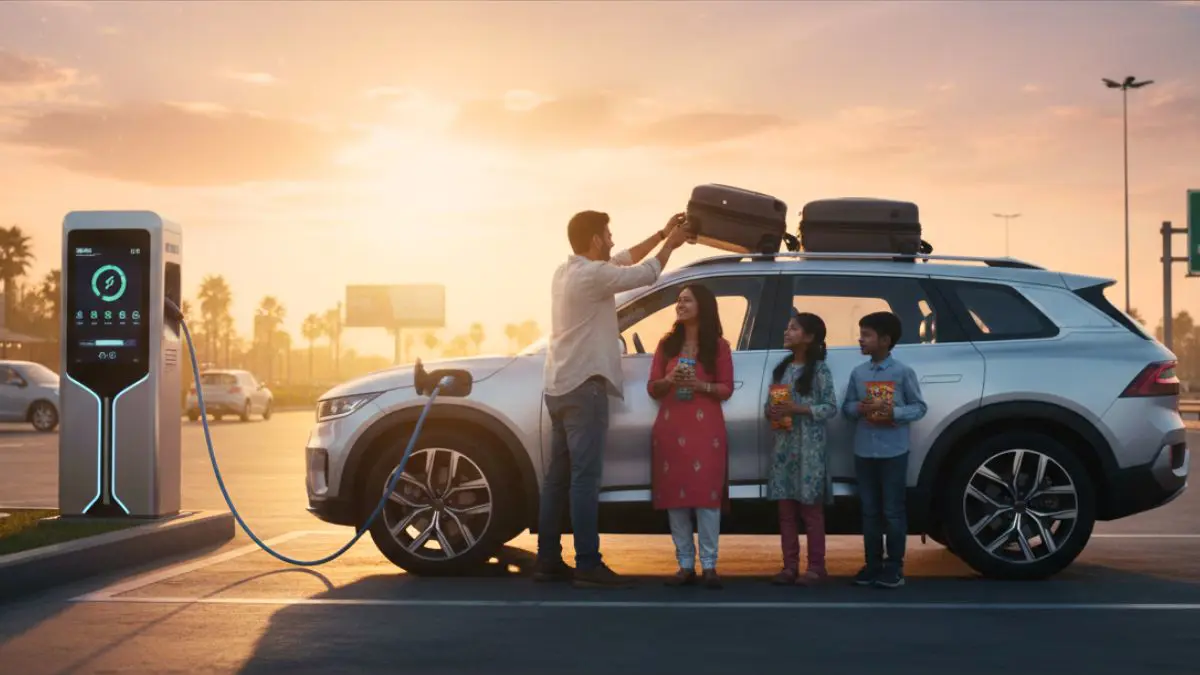
The global electric vehicle market is entering a new phase as major automakers shift focus toward affordable and mid-range electric SUVs aimed at mainstream consumers rather than luxury buyers.
Manufacturers in the United States, China, South Korea, and Europe announced several new EV launches this year, with many companies targeting customers seeking longer battery range at lower price points.
Industry analysts say the SUV category remains one of the most profitable and competitive segments in the automotive industry, making it central to long-term EV growth strategies.
“Consumers still want practicality first,” said an automotive market researcher based in Singapore. “Range matters, charging convenience matters, but space and affordability remain major buying factors globally.”
The competition is also increasing pressure on battery suppliers.
Lithium prices stabilized compared to earlier volatility, but automakers continue investing heavily in battery technology partnerships to secure long-term production capacity. Several firms are expanding regional battery manufacturing facilities to reduce supply chain dependency.
At the same time, governments continue pushing EV adoption through tax incentives, infrastructure funding, and emissions regulations. However, charging infrastructure remains inconsistent in several regions, especially outside major urban areas.
Traditional automakers are also facing competition from newer EV-focused companies that operate with lower manufacturing overhead and faster software integration cycles.
Consumers increasingly compare vehicles based on:
- charging ecosystem access
- software updates
- battery warranty
- driver assistance systems
- long-term ownership costs
rather than engine performance alone.
Analysts expect the next stage of EV competition to focus less on premium branding and more on operational efficiency, charging convenience, and affordability.
As electric SUVs become more accessible to middle-income buyers, the global automotive market could experience one of its largest structural shifts in decades.
